Sunday, February 26, 2012

Windowsill Herb Garden

Back in November (we had a really mild fall) I salvaged some herbs from the garden to bring inside throughout the winter. As an experiment, I also direct seeded some basil, thyme, oregano, and cilantro to see if it would grow inside in the winter.

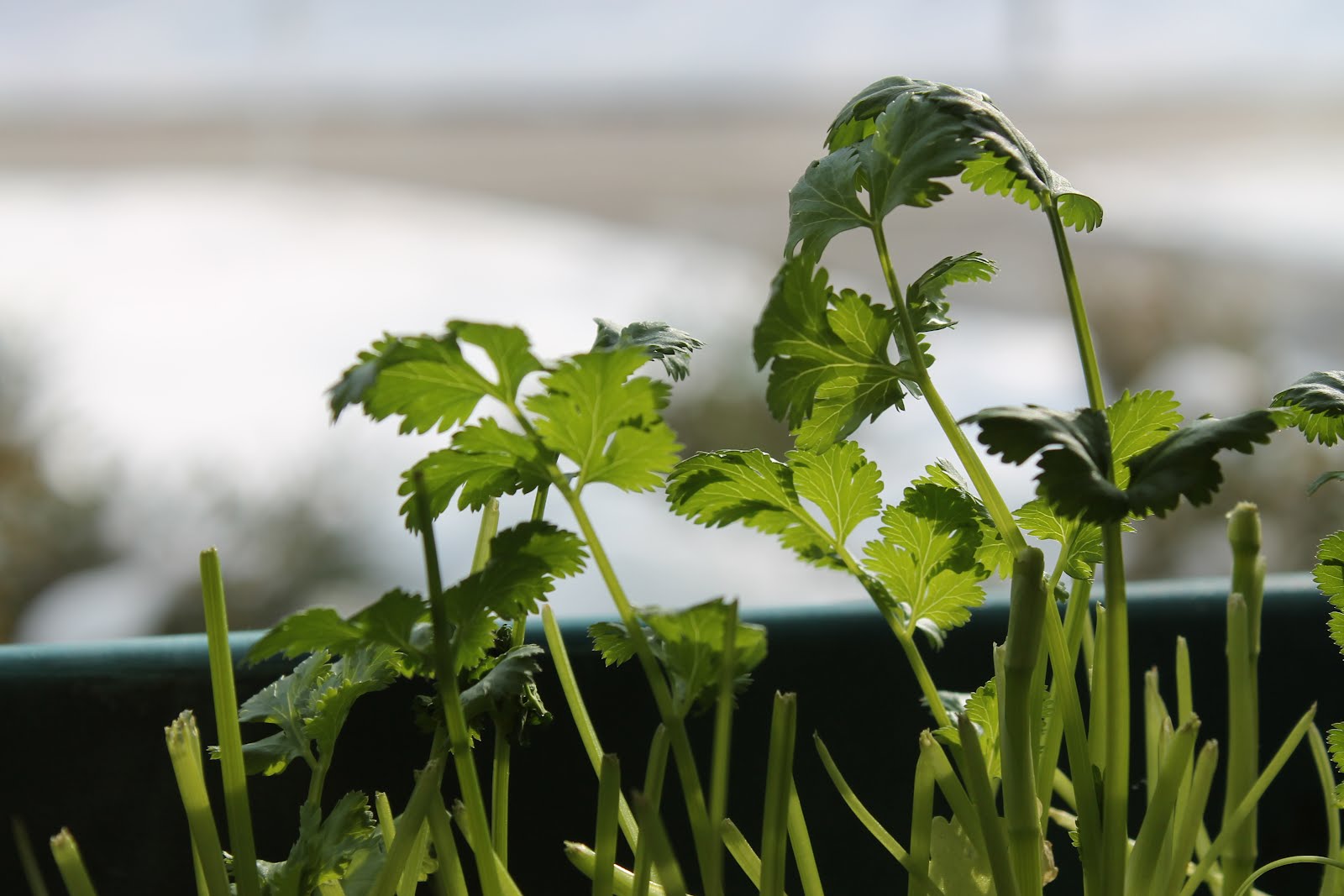
Of all the direct seeded herbs, only the cilantro grew enough for me to use it (so far - the thyme and oregano are fighting). I harvested all of the cilantro on Wednesday night for a black bean chili recipe. It's already coming back!


I also salvaged two rosemary plants - one that was growing in a container, and one that was in a too-shady space next to the house. The plant from the container is thriving, while the plant from the ground is limping along. Check out all the new growth on the container plant:


The blog may be light on updates for awhile. I'll post about my onions sometime this week, but then I'm off to South by Southwest and I won't be starting any more seeds until March 17.

Wednesday, February 15, 2012

First Sprouts

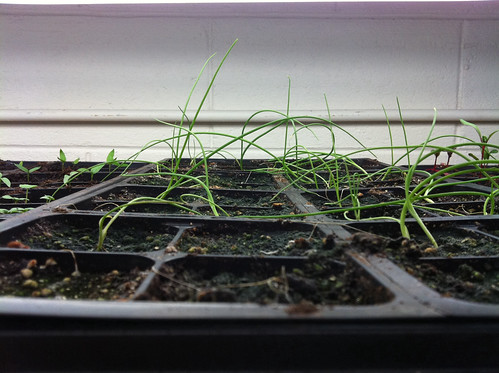
I saw my first onion sprouts this morning. I thought I might have been hallucinating yesterday. When I checked the seed tray, I swore I smelled onions. Now that they have sprouted, I definitely do. Crazy!

The first to sprout was Sweet Spanish (3 days).

Sunday, February 12, 2012

Starting Onions, Leeks & Chives

The 2012 Gross Farms garden has officially started. Last year my onions starts were pretty sad. I meticulously put 1-2 seeds in each cell, over watered, failed to fertilize, and started them too late.

Hopefully this year will be different. According to the University of Wisconsin Extension planting calendar, onions should be started indoors on February 15, so I'm only a few days early. I planted each variety in one 4-inch pot instead of messing around with individual cells. Basically I followed the method in this video.

Here's what went into the pots:
  • One 2012 package of yellow sweet spanish onion (Pinetree Garden Seeds)
  • One 2012 package of red wing onion (Pinetree Garden Seeds)
  • Remainder of 2011 package of yellow of parma onion (Seed Savers Exchange)
  • Remainder of 2011 package of blue solaise leek (Seed Savers Exchange)
  • Remainder of 2010 package of Chinese garlic chives (Botanical Interests)
There's nothing very picturesque to photograph, but hopefully I'll have good news when they start to germinate.

This almost feels like a false start, since after this planting I wait four weeks until I start my next round of seeds.

Sunday, December 11, 2011

2012 Garden Planning

There's not a speck of snow on the ground, but I'm already well into my 2012 garden planning. I have 384 square feet of raised bed space, and approximately 30 feet of fence line that's perfect for growing pole beans. I definitely didn't maximize my space in 2011, and I'm hoping to do much better next year.

I've done a better job planning the timing of things, and I expect at least two beds to receive two waves of planting this year (and hopefully a cover crop as well).

I received five seed catalogs (Seed Savers Exchange, Johnny's, Pinetree Gardens, Vermont Bean Seed Company, and Totally Tomatoes). Last year I ordered every thing from SSE, but I think I'm going to go with Pinetree Gardens this year. I still have seeds for lots of things, so there will be zucchini, tomatoes, and peppers that don't need to be ordered.

Based on a few hours of planning this evening, I'm likely going to place the following order:

Pole Beans
  • Kentucky Wonder (66 days)
  • Rattlesnake (65 days)
  • Purple Trionfo Violetto (60 days)
Dry Beans
  • Jacob's Cattle (83 days)
  • Vermont Cranberry (85 days)
Beets
  • Boltardy (46 days)
  • Early Wonder (50 days)
  • Crosby Egyptian (45 days)
  • White Albino (57 days)
Carrots
  • Rainbow (57 days)
  • Lunar White (55 days)
  • Adelaide (65 days)
  • Red Cored Chantenay (75 days)
Chard: Prima Rosa (25-50 days)

Cucumbers
  • Homemade Pickles (54 days)
  • Spacemaster (59 days)
Eggplant
  • Slim Jim (60 days)
  • Black Beauty (83 days)
Lettuce
  • Pinetree Lettuce Mix (40 days)
  • Freckles (70 days)
Melon
  • Banana (80 days)
  • Minnesota Midget (60 days)
Onions
  • Yellow Sweet Spanish (107 days)
  • Red Wing (110 days)
Peas
  • Knight (56 days)
  • Sugar Lace (65 days)
Peppers
  • Big Red (75 days)
  • Sweet Banana (72 days)
  • Hot Portugal (65-75 days)
Radishes
  • Cherry Belle (21 days)
  • French Breakfast (25 days)
  • Easter Egg (28 days)
Spinach: Dash (39 days)

Tomatoes
  • Polbig (54 days, determinant)
  • Heinz Classic Processor (75 days, indeterminant)
  • Matt's Wild Cherry (55 days, indeterminant)
Turnips
  • Toppers (35 days)
  • Tokyo Cross (30 days)
Summer Squash
  • Eight Ball Zucchini (35 days)
  • Papaya Pear (40 days)
Herbs
  • Borage
  • Chervil
  • Zefa Fino Fennel
Cut & Come Again Zinnias


Once I place the order, I'll need to create my seed starting and planting schedule. Winter's not too bad after all :)


Saturday, November 26, 2011

Soy Beans

I did not plan to harvest dry soy beans this year. The plan was to have a nice supply of fresh edamame. Well, while we were on our honeymoon the plants got a bit past that point and began to dry on the vine. I pulled them in late July or early August, and just let them sit on the porch under a tent to dry. Then in maybe September my mom was visiting and got sick of looking at them, and pulled the pods off the plants and left them in a bag. I think I brought that bag inside in late October or early November.

Needless to say, I did not really set up ideal conditions for drying and shelling soybeans. During this process, about 30% of the beans rotted. Instead of getting pretty beans like this:


I got a bunch of pods that looked like this:


After over an hour of work, I shelled what was once an 8 foot row of soybeans, and ended up with this:


That's an entire half-sheet baking pan of dried shells and rotted beans, and 1 1/4 cup of beans to the right.


This jar is destined for the freezer to kill anything that might be hiding in it. Then I need to figure out how to use these soybeans. Any ideas?

Next year I might actually grow some shelling beans, but I'll be a bit more intentional.

Monday, September 5, 2011

Lessons Learned

Looking back on my garden, I've learned a lot of lessons regarding how and what to grow. I'm documenting them here so I can remember for next year.

Beans: Red swan were the first to harvest, but they were a pain to pick (and somewhat hard to find in the low-to-the-ground bushes). Ideal market were...well, ideal. I grew them up the trellis, so they were very easy to pick. I confounded things a bit by planting vine veggies in front of the trellis, but I'll fix that for next year. Edamame - well....they're harvested but not eaten. We let them to too long, and we need to use them as dry beans. I'm not exactly sure how that's going to work out yet.

Beets: They were delicious, and we didn't have enough. I need to plan to have 3-4 turns of these (and carrots)

Broccoli: Great crop that I didn't eat nearly enough of. I'll probably plant 2 plants next year.

Carrots: Other than the carrots that got eaten by a critter, they were great. We're still eating some of them that are stored in the fridge. However, again, we didn't have enough. We'd like to plant 2-3 turns of these, and maybe focus on some easy-to-grow varieties instead of really cool heirlooms.

Leeks: I haven't picked them yet, but they look good.

Lettuce: We planted too much all at once, and then didn't harvest it aggressively enough. Next year, more turns, happier harvests. The varieties we chose were good. My favorite was Forrellenschlus.

Arugula: Was great while it lasted...again, plant more turns.

Spinach: see Arugula

Melons: I got one Charentais that unfortunately was over-ripe, and it doesn't look like any Emerald Gems will make it to maturity. I might try these again, but in the garden beds, not back against the fence - and on a trellis, now that I realize how small they are.

Peppers: I didn't end up growing any of them in containers. I also screwed up my labeling so I grew 6 or 7 jalepeno plants and only 1 or 2 bull nose bell :( More bell peppers next year....probably less little peppers, and more large hot peppers (I picked up a hungarian hot pepper at the farmer's market that's just about ready to harvest).

Swiss Chard: Good to eat, but I planted WAY TOO MUCH. It's sort of a pain to harvest it all. Next year I'll only plant 1 or 2 rows (this year I had 4 or 5).

Summer Squash: yum. But, I planted too many plants, too close together. Next year I'll do 2 of each plant. It's so easy to shred and freeze, and include in roasted tomato sauce :)

Winter Squash: I have 2 Marina di Onioggia, but they're not mature yet. It looks like I have about 12-15 butternut squash, but I haven't picked any yet. Butternuts will definitely be grown next year, with something to climb

Tomatoes: Not enough blondkopfchen (now that my niece and nephew love them). And oddly, not enough for preserving, even though I grew 8-10 paste tomatoes. We'll probably plant 2 beds of them next year, and I'll grow some determinate paste tomatoes for canning, saucing, etc.

Basil: Too much, if that's even possible. We had about 16 square feet of basil. Four square feet would suffice.


Overall: I need to plan for seasonality. I didn't grow enough early-season vegetables (radishes, peas, garlic scapes, etc) and the bounty started to come in in July, right when we went on vacation (also: no more summer vacations). I need to plan for multiple turns, and re-using garden space.

Garlic is ordered, so it's almost time to get started on next year's garden!

Saturday, June 4, 2011

Who needs flowers?

Why would you want flowers when you have these beautiful plants that you can eat too?


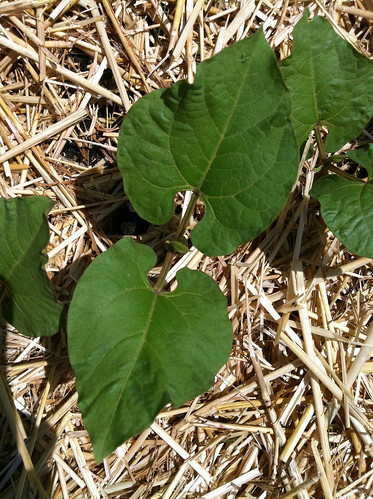
Bush beans that have only been up about a week.


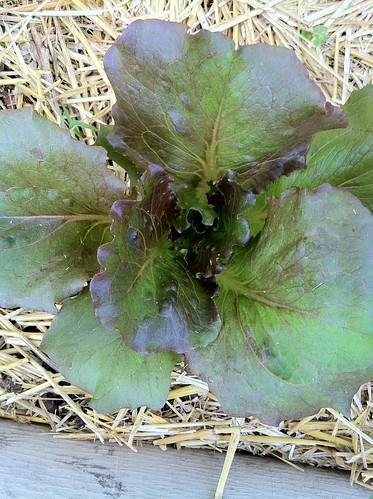
Red iceburg lettuce


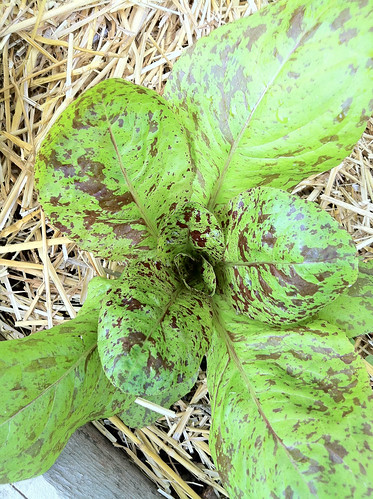
Forrellenschlus lettuce